Women Farmers Produce Diverse, Nutritious Foods to #BreaktheBias in Senegal

on  March 8, 2022

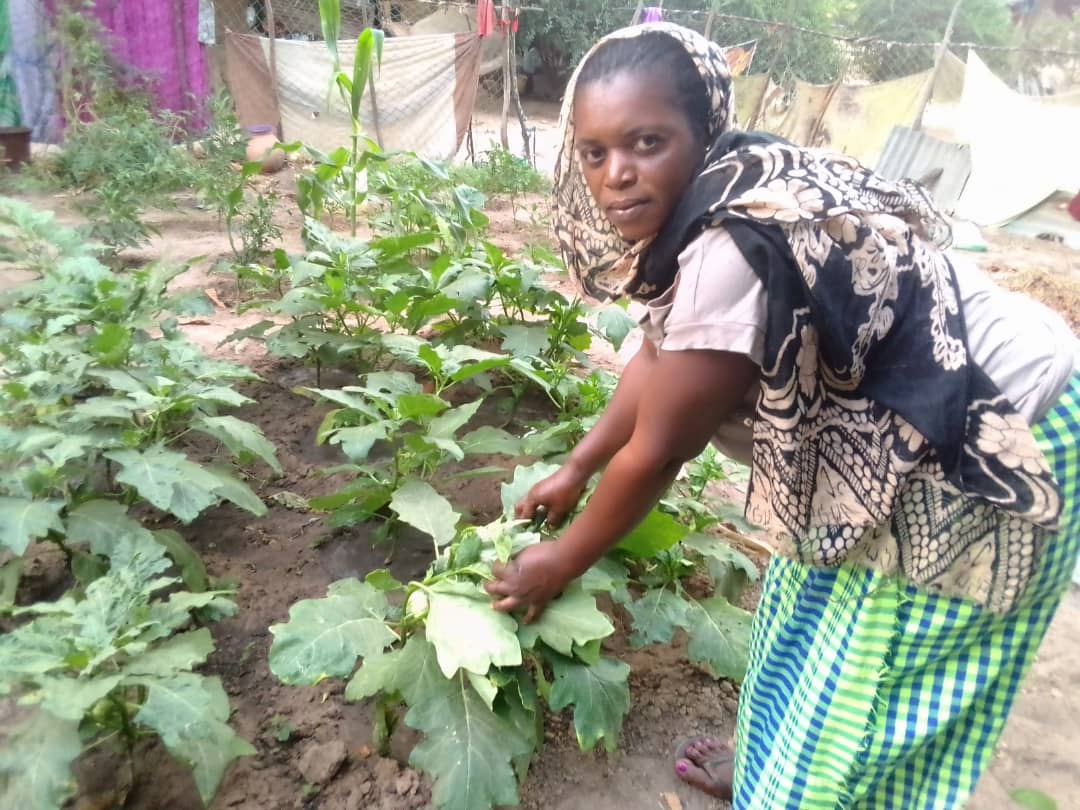
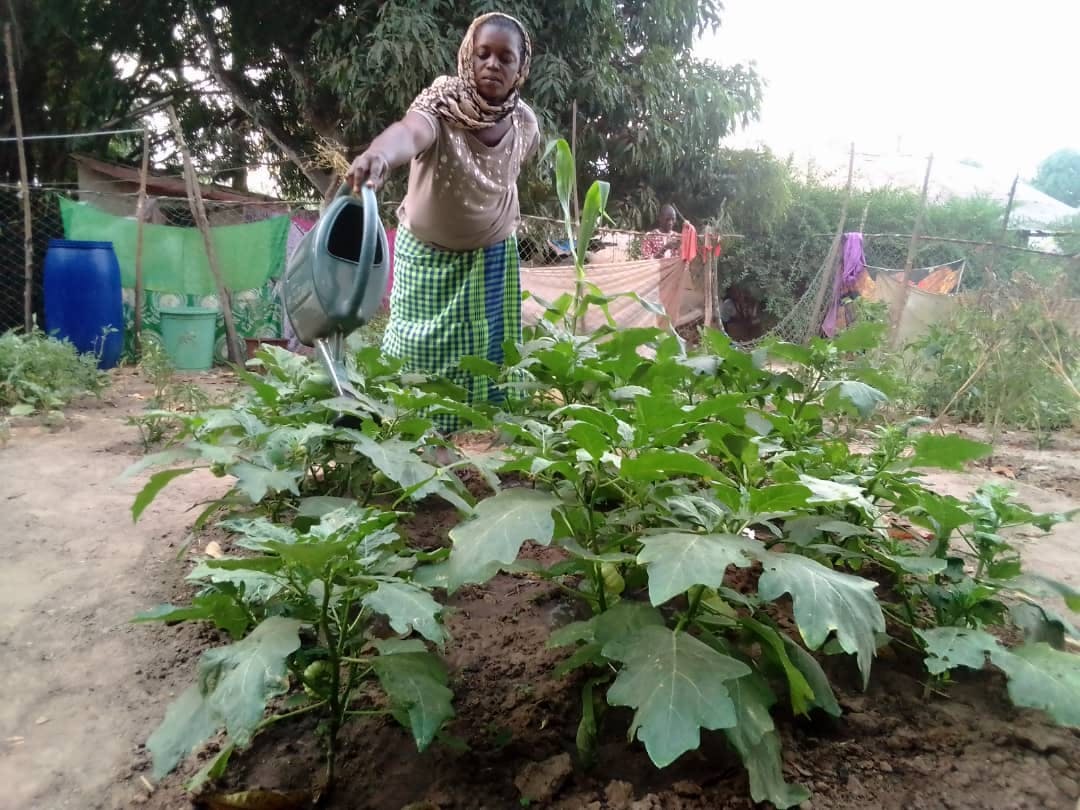
Gendered ideas are built into every culture’s norms and often into language itself. These stereotypes limit possibilities for people of all genders and perpetuate norms that cause harm. This year, on International Women’s Day, we have a chance to change that by committing to #BreakTheBias.Rise Against Hunger strives to understand how gender norms affect food security. According to the World Economic Forum, 70% of food in Africa is produced by women, yet women rarely own land or have equal access to training, quality seeds, tools or credit. Worldwide inequity results in women smallholder farmers producing 20% to 30% less food than male farmers. This directly translates into hardships for many families, as it limits the amount of food and money available for household needs. The good news is that the global rate of hunger could decrease by 17% simply by ensuring that women smallholder farmers have equal access to resources like training and productive assets.Rise Against Hunger works with community partners to identify barriers to food and nutrition security, paying particular attention to whether women face different constraints than men and what they will need to overcome them. With access to the right resources, women are making huge strides in their production and consumption of nutritious foods!Fatou* is one woman farmer whose production has flourished since she joined the Leveraging Agriculture to Unite Communities and Hospitals project, implemented in partnership with Development in Gardening, in southern Senegal. Living near an urban area, Fatou’s farming practice was previously limited to growing mainly cash crops using chemical fertilizers and readily available seeds. The project supports a farmer field school through which she learned climate-smart agriculture techniques like conserving water, producing organic fertilizers and intercropping many varieties of vegetables. With these skills, Fatou is empowered to choose the farming approaches that work best on her farm. She has lengthened her growing seasons and harvested more food. She said, “My enthusiasm for home gardening is being driven by my family. We’ve seen a reduction in the amount of money that we spend on vegetables because we’re able to source our vegetables right from the home garden. In addition, I’ve added a source of income by selling my produce to my neighbors in the community.” Since joining the project, Fatou has increased her income by 40%, enabling her to repay her debts and pay for school fees.Fatou is one of many Leveraging Agriculture to Unite Communities and Hospitals participants who have overcome hurdles like limited access to land and knowledge of climate-smart agriculture. By breaking the bias that limits women smallholder farmers, Fatou and her neighbors succeeded in producing diverse, nutritious foods. By the end of 2021, garden group members collectively grew 22 varieties of fruits and vegetables and consumed nearly 42% of what was harvested. By growing their own fruits and vegetables, participants consistently report a 40% reduction in household expenditures on these foods and an increase in the quantity consumed. When one woman makes these changes, her whole household benefits from eating nutritious meals.Donate today to support Rise Against Hunger’s work to implement sustainable agriculture projects, like Leveraging Agriculture to Unite Communities and Hospitals, that empower women — as well as children and men — around the world.*Fatou’s name has been changed to protect her identity.
About the Author

Julie Savane is the Senior Manager, Programs, on Rise Against Hunger's Global Impact team. She works with our partners to design and implement agriculture and income initiatives for smallholder farmers and entrepreneurs.

Strength, Stability And Hope

The gift that filled Nelly’s table.

“We were yielding very little, and the crops could not sustain us the whole year,” Nelly remembers. As a mother of seven and a farmer with two decades of experience, the stress of inconsistent yields was all-consuming. A poor harvest not only strained her family financially, but also limited their own meals to just two a day. Their story reflects that of many in their fishing and farming village near a lake in the Karonga district of northern Malawi. Here, heavy rainfall makes conventional farming methods nearly impossible. The entire village is, quite literally, saturated in food insecurity — a reality that leaves families struggling to survive season after season without a dependable source of nourishment.

In 2019, Nelly began participating in Harvesting Prosperity and Resilience, a sustainable agriculture project implemented by Rise Against Hunger in partnership with the Foundation for Community Support Services (FOCUS). The project works with 3,100 smallholder farmers in Malawi’s Karonga and Mzimba districts to strengthen food and nutrition security by improving production methods, nutrition practices and household income.

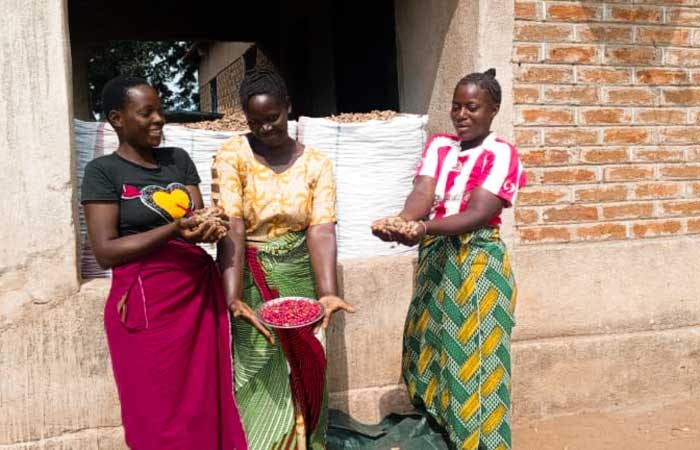
Just one year later, Nelly was ready to expand the variety of crops on her farm. What land once only produced maize began to flourish with sesame, cowpeas, rice and groundnuts during the rainy season (summer), as well as maize and vegetables during the dry season (winter). Through climate-smart agriculture training, she learned new techniques like manure making, pit planting and mulching, crop rotation and intercropping. Equipped with these tools, Nelly’s farm began to thrive.

After the 2023–2024 growing season, she sold enough produce to purchase an ox cart. Her harvests in 2024-2025 season yielded over 500 pounds of crops, including 22 bags of groundnuts, seven bags of maize, 12 tins of sesame and three bags of rice. With this surplus, she was able to invest in a motorbike, which she now uses to transport African doughnuts (mandasi) that she cooks and sells — creating yet another source of income for her family.

The transformation reaches far beyond her finances. Nelly now has the stability to provide for her husband and children. “I am able to eat different food types, pay school fees for my children and fulfill the visions that I have made with my family,” she beams. “I am now sleeping peacefully without any fears of food or paying school fees for the children.”

Her leadership has also grown. Today, Nelly serves as a leader in the Harvesting Prosperity and Resilience project, teaching other farmers in her district to adopt climate-resilient, labor-saving practices. By sharing her knowledge, she is multiplying her impact — empowering her neighbors to experience the same transformation she has achieved.

Across Nelly’s community, food and economic security are on the rise. Lombani, a government extension officer for the region, explains, “I can see the community is being transformed in the sense that in the area, there is food, income and nutrition security. Development is also happening at the household level.”

Nelly reflects on what it means to invest in holistic programs that address the root causes of hunger: “We are now healthy people. Children are going to school after eating their breakfast, having high yields and different types of crops due to conservation agriculture practices. With the support from the project, we have food, and we can access other food items from the market after selling our produce.”

This is the gift that fills: a future full of stability, strength and hope. It fills tables with food, families with security and communities with the resources to thrive. It’s an investment in futures rooted in resilience and hope.