From Hunger to Hope: Isatu’s Journey to a Brighter Future

on  September 4, 2026

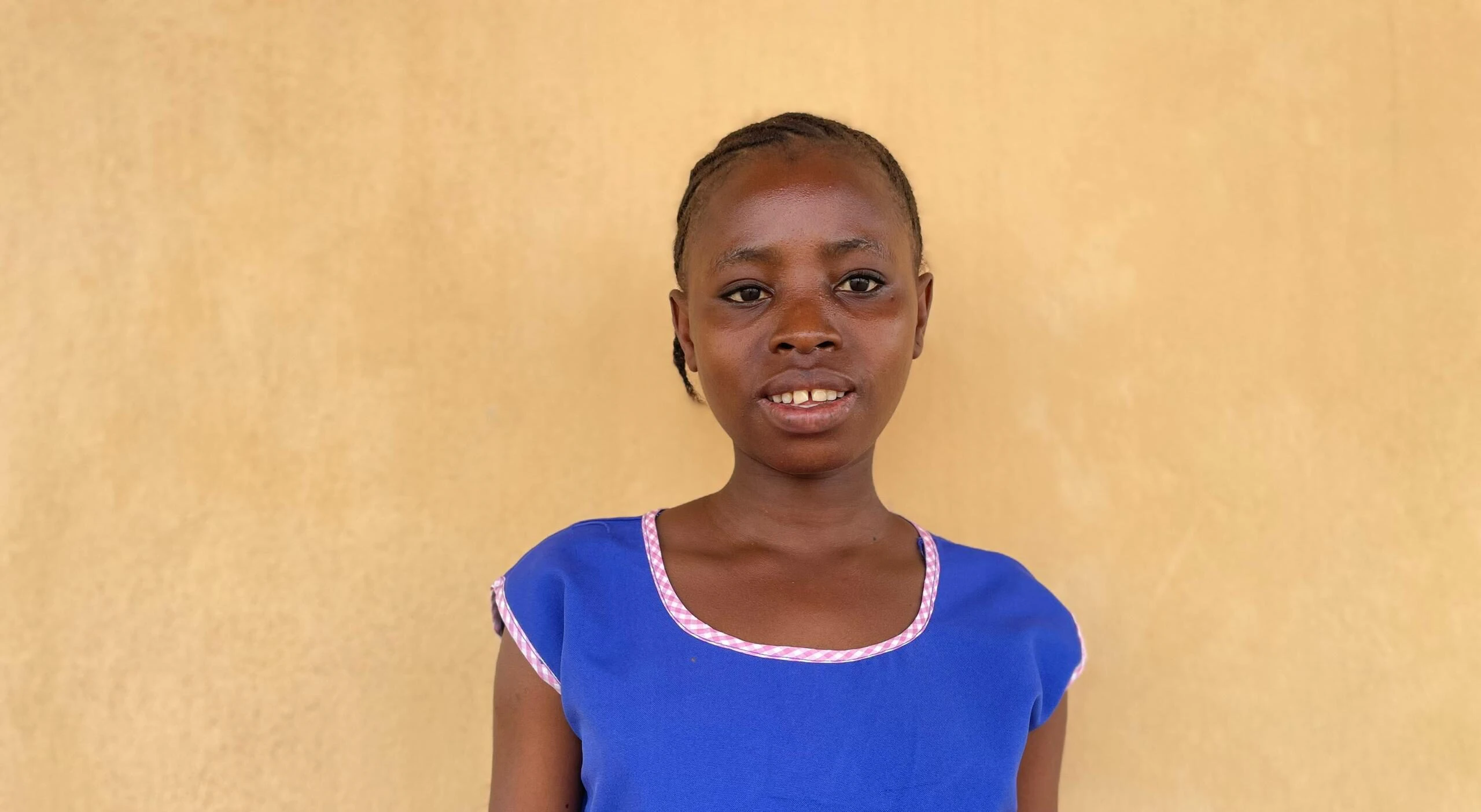
Prior to attending boarding school, 18-year-old Isatu typically ate only one meal per day. She was often hungry and didn’t receive the nutrition she needed to grow, learn and dream.

She grew up in a small village near Rokassa, Sierra Leone. Most village residents are subsistence farmers. The remote community faces significant challenges, including poverty, food insecurity and limited access to clean water. 

Isatu and her family frequently could only afford to eat one meal per day, which left Isatu hungry. The insufficient nutrition was evident in her small stature, which community members attributed to malnourishment.
Rise Against Hunger’s partner EduNations supports health and education in the community. The village previously had no access to education since before the 1991-2002 civil war — until EduNations established primary and junior secondary schools and Hope Academy Boarding School in Rokassa. 

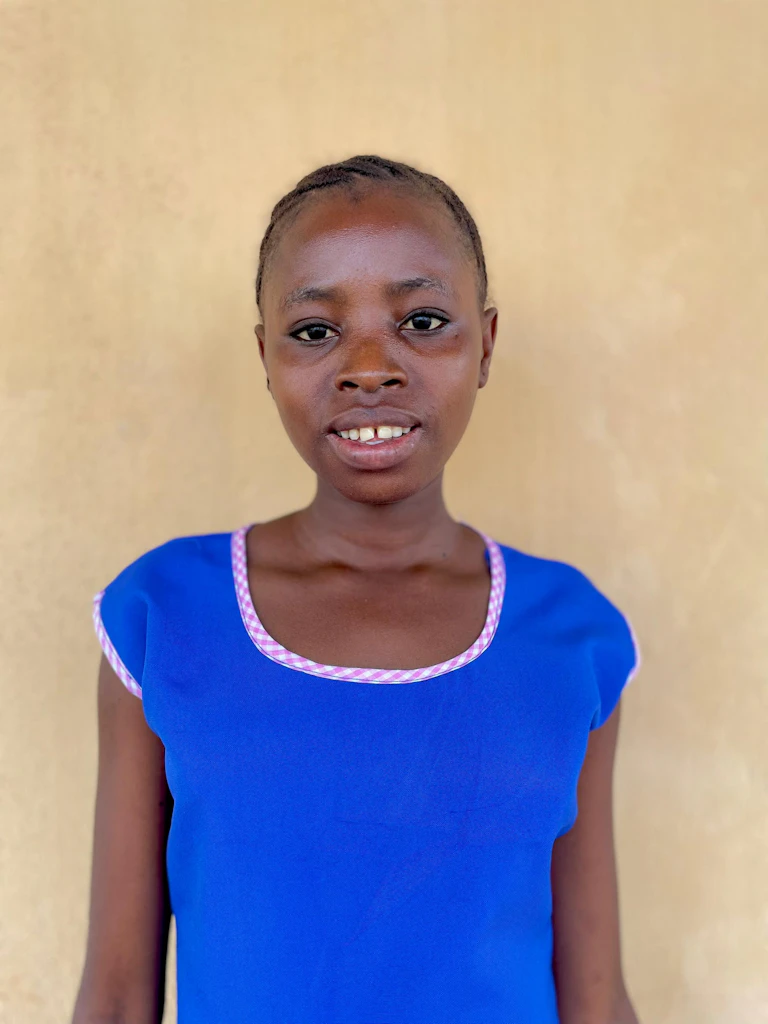
Isatu began attending the boarding school and her life changed drastically. Through Rise Against Hunger’s partnership with EduNations, she now receives three nutritious meals daily: breakfast, lunch and dinner. The meals contain 20 essential vitamins and minerals that support her health and well-being. “Eating Rise Against Hunger [meals] has greatly increased my weight, improved my health status and has made me stronger,” she said. 

Edward, the vice principal and boarding home coordinator, has witnessed the changes firsthand. “[The meals have] made an impact on students like Isatu, whose external body development increases every day, especially when she is in the boarding home,” he said. “She has also increased in height and size.”
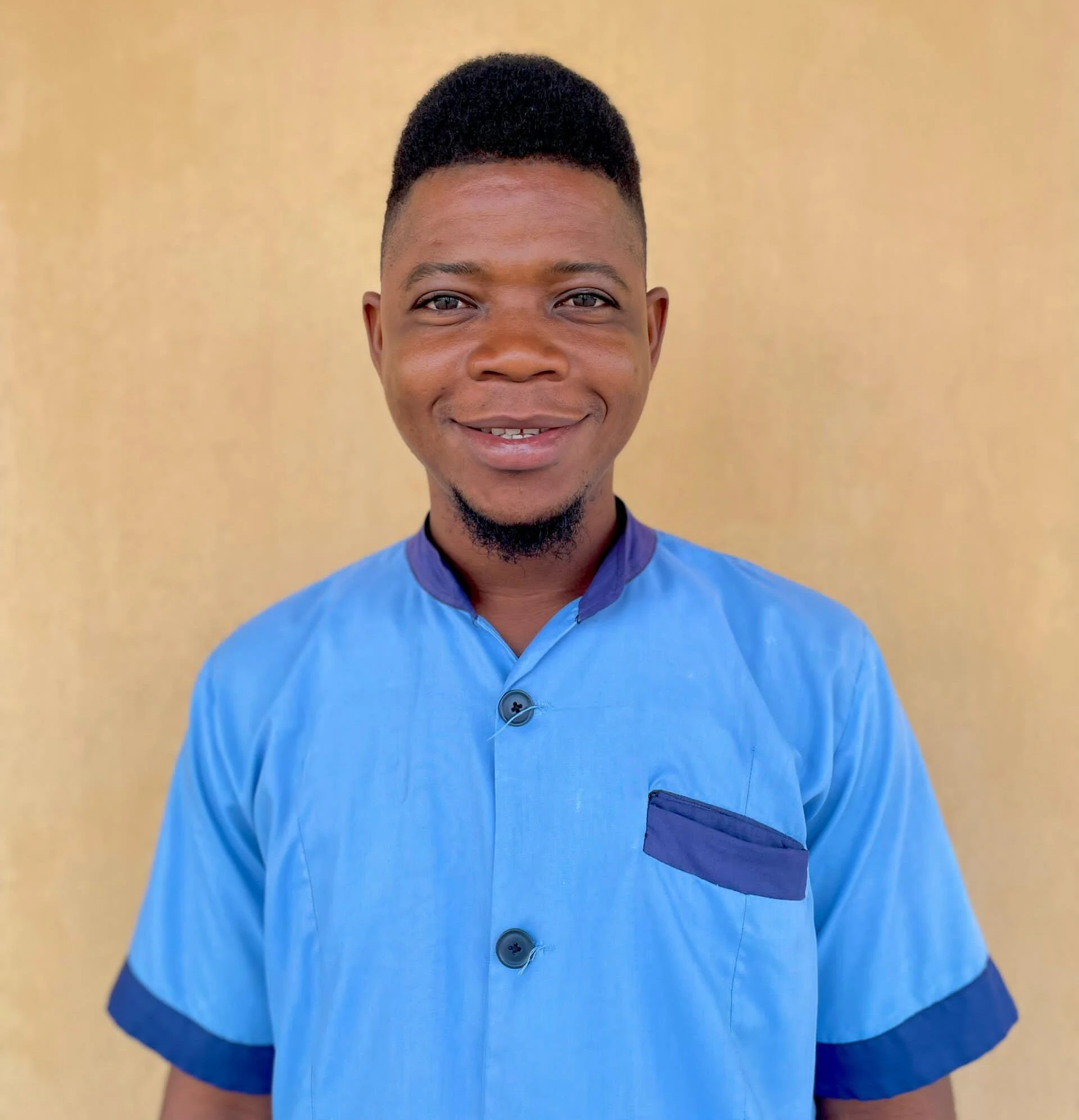
Edward, the vice principal and boarding home coordinator for EduNations 

The school feeding program’s impact extends beyond her physical health, too. Her academic performance has improved. Because she is well-nourished, she is able to focus better in her classes and excel in her studies. 

Described as a “hardworking and respectful student” by the vice principal, Isatu is now in 11th grade. She is studying commerce and has her sights set on a bright future. She is preparing to graduate high school this year and is determined to continue her education. “I pray and hope that after writing my high school exams, I will come out with flying colors and have the opportunity to pursue my university education and become a businesswoman,” she said.

For students like Isatu, a meal does more than satisfy hunger in the moment. It creates opportunities to learn, grow and dream big. Your support helps Rise Against Hunger ensure more students have the nourishment they need to build bright futures. Give today to help provide nutritious meals that fuel learning and give students like Isatu the chance to pursue their dreams.

About the Author

Hannah Payne is the Public Relations & Communications Manager at Rise Against Hunger. She facilitates communication between Rise Against Hunger and the media.

Strength, Stability And Hope

The gift that filled Nelly’s table.

“We were yielding very little, and the crops could not sustain us the whole year,” Nelly remembers. As a mother of seven and a farmer with two decades of experience, the stress of inconsistent yields was all-consuming. A poor harvest not only strained her family financially, but also limited their own meals to just two a day. Their story reflects that of many in their fishing and farming village near a lake in the Karonga district of northern Malawi. Here, heavy rainfall makes conventional farming methods nearly impossible. The entire village is, quite literally, saturated in food insecurity — a reality that leaves families struggling to survive season after season without a dependable source of nourishment.

In 2019, Nelly began participating in Harvesting Prosperity and Resilience, a sustainable agriculture project implemented by Rise Against Hunger in partnership with the Foundation for Community Support Services (FOCUS). The project works with 3,100 smallholder farmers in Malawi’s Karonga and Mzimba districts to strengthen food and nutrition security by improving production methods, nutrition practices and household income.

Just one year later, Nelly was ready to expand the variety of crops on her farm. What land once only produced maize began to flourish with sesame, cowpeas, rice and groundnuts during the rainy season (summer), as well as maize and vegetables during the dry season (winter). Through climate-smart agriculture training, she learned new techniques like manure making, pit planting and mulching, crop rotation and intercropping. Equipped with these tools, Nelly’s farm began to thrive.

After the 2023–2024 growing season, she sold enough produce to purchase an ox cart. Her harvests in 2024-2025 season yielded over 500 pounds of crops, including 22 bags of groundnuts, seven bags of maize, 12 tins of sesame and three bags of rice. With this surplus, she was able to invest in a motorbike, which she now uses to transport African doughnuts (mandasi) that she cooks and sells — creating yet another source of income for her family.

The transformation reaches far beyond her finances. Nelly now has the stability to provide for her husband and children. “I am able to eat different food types, pay school fees for my children and fulfill the visions that I have made with my family,” she beams. “I am now sleeping peacefully without any fears of food or paying school fees for the children.”

Her leadership has also grown. Today, Nelly serves as a leader in the Harvesting Prosperity and Resilience project, teaching other farmers in her district to adopt climate-resilient, labor-saving practices. By sharing her knowledge, she is multiplying her impact — empowering her neighbors to experience the same transformation she has achieved.

Across Nelly’s community, food and economic security are on the rise. Lombani, a government extension officer for the region, explains, “I can see the community is being transformed in the sense that in the area, there is food, income and nutrition security. Development is also happening at the household level.”

Nelly reflects on what it means to invest in holistic programs that address the root causes of hunger: “We are now healthy people. Children are going to school after eating their breakfast, having high yields and different types of crops due to conservation agriculture practices. With the support from the project, we have food, and we can access other food items from the market after selling our produce.”

This is the gift that fills: a future full of stability, strength and hope. It fills tables with food, families with security and communities with the resources to thrive. It’s an investment in futures rooted in resilience and hope.