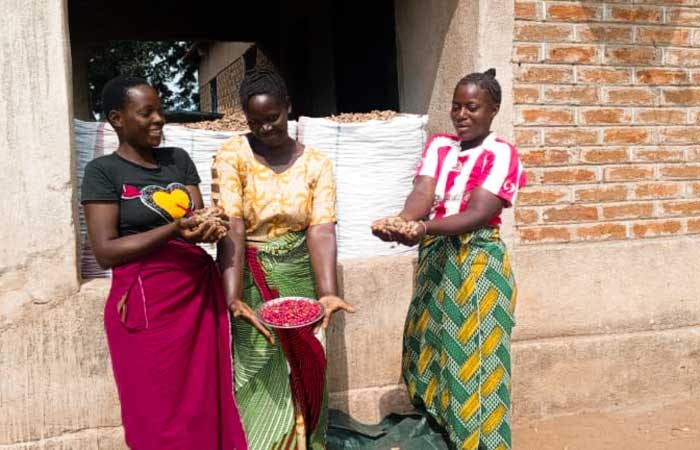
As the COVID-19 pandemic continues around the globe, our organization is faced with challenges in doing what we do best “” engaging volunteers and serving the world’s most vulnerable. In response to this crisis, our locations in India, Italy, Malaysia, the Philippines, South Africa and the United States are working locally and globally through outreach efforts to continue to meet our commitments to children and families counting on our support. Learn more about our efforts in the communities we serve below.Rise Against Hunger IndiaOur India team is packaging limited Rise Against Hunger meals internally to distribute to those in needSo far, 239,030 meals were provided to more than 40,000 people in Bangalore, Mumbai and Delhi with the help of 21 partnersA live kitchen in Mumbai founded by partner Ratna Nidhi Trust is serving 2,500 of our rice-dahl meals daily to feed shelter-less and stranded workers in 7 communitiesFood and other aid are being provided to nearly 400 migrant laborers and refugees.With the demand for meals increasing in 8 states, the Rise Against Hunger India team is preparing to organize 2.5 million meals to serve those in need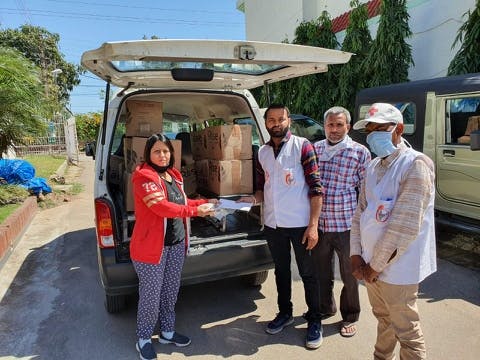 Rise Against Hunger Italy
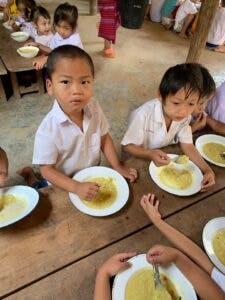
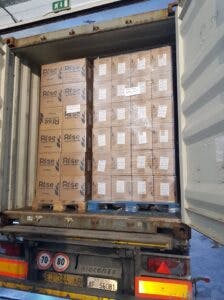 Incorporating new solutions for engagement, the current meal inventory at our Italy location has allowed our team to support existing meal recipients and beneficiaries for up to 9 monthsWith schools closed in Zimbabwe, Kenya, South Sudan and Ghana, meals are being distributed at the household level to families most in need at this timeA new route has been opened in Ghana, allowing a container of 285,000 meals to be delivered to Future Children of AfricaRise Against Hunger Malaysia
 Due to a complete government lockdown, the Malaysia team is developing other ideas and solutions transport meals and aid to those in needA plan is being coordinated to relocate rice, lentils, vegetables and micro-nutrient sachets directly to beneficiaries when it becomes possibleThrough the partnership with other organizations, the donations of gloves, masks and hand sanitizer are being accepted for underserved communitiesRise Against Hunger Philippines
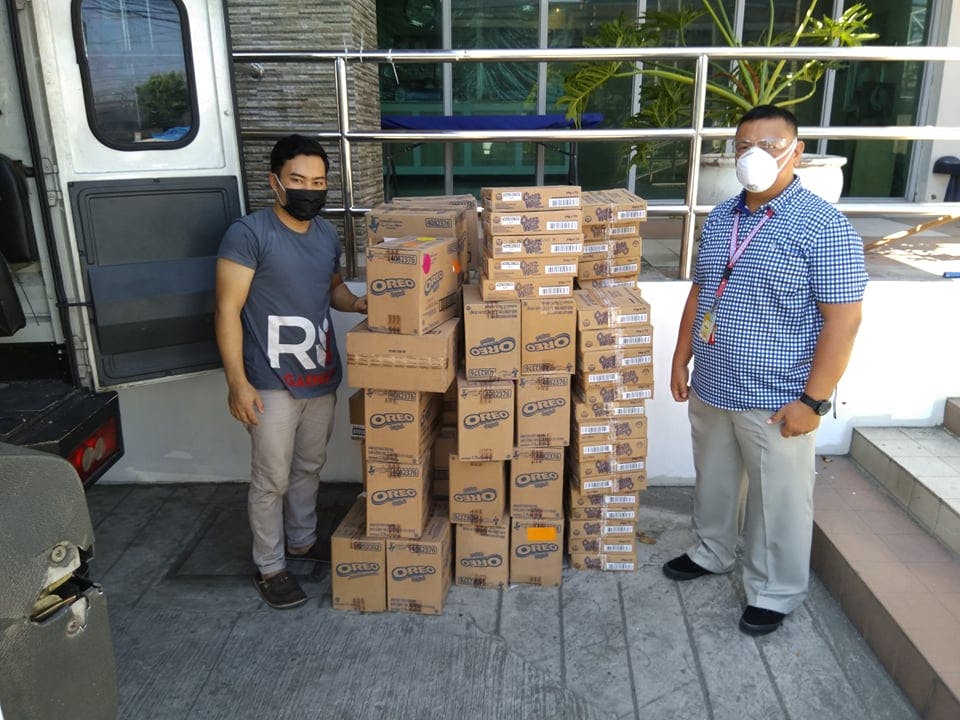 The Philippines team has been able to reach nearly 7,700 families and 28 hospitals with food and aid.Family packs are being supplemented for 20,000 families and 5 daycare centers in Barangay Ususan from the local food bankGroceries and hygiene kits have been sent to 802 families in Tondo through the Better World Tondo programFood, juice and probiotic drinks were delivered to frontline healthcare workers at 30 hospitals in Paranaque CitySupport for Don Bosco Youth Center in Calauan is serving 2,000 children dailyFood is also being distributed to those in need throughout Metro Manila and 7 provincesRise Against Hunger South Africa
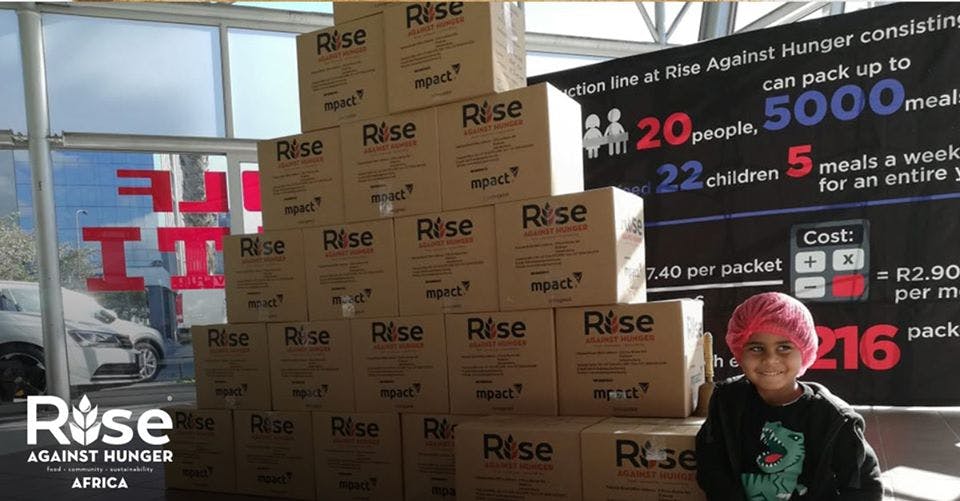 Essential service certificate and permits were secured for the South Africa location, allowing travel and distribution during lockdownThe requests for food assistance is continuing to increase as the South Africa team is adapting to continue meeting the needs of 70,000 beneficiaries; including providing meals in home distribution packs to serve the families of young children enrolled in early childhood development centersMore than 510,000 meals were distributed during the week of March 23Rise Against Hunger United States
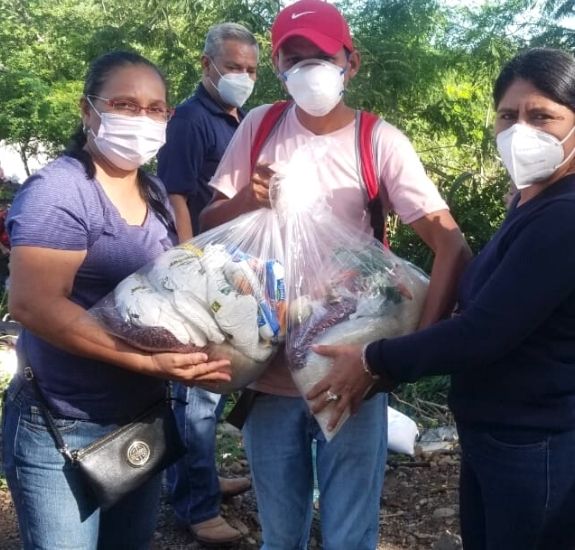
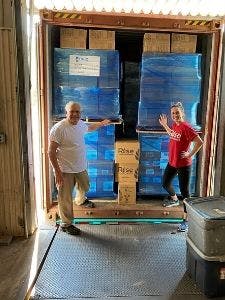 Due to more than 440 canceled or postponed volunteer events, the U.S. team is working on the reallocation of over 750,000 pounds of rice inventory through local U.S. distribution, as well as partner programs in El Salvador, Nicaragua and HondurasStill accessing how to best support those in need, the priority is for 1.4 million beneficiaries; 400,000 are students.Our U.S. location is also working to aid programs around the world. In 15 countries, school feeding programs have reported partial or country-wide shelter-in-place policies, leaving 236,138 children unable to access our nutritious meals in a school setting for the next 4-8 weeksMedical supplies and aid will soon be shipped to Liberia and Sierra LeoneFundraising is underway to support alternate nutritional solutions in-country for beneficiaries due to shortages and pipeline gaps with our standard meals.We will continue to provide updates as our response to the global crisis evolves.